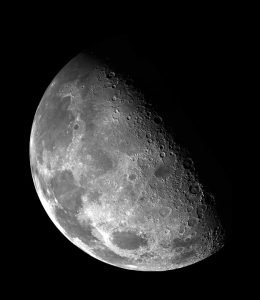
## Introduction
If you’ve ever looked up at the night sky and been captivated by its beauty, you may have considered capturing those celestial bodies through photography. Celestial photography with telescopes allows you to explore the infinite beauty of the universe from your own backyard. This comprehensive guide will help you master the art of celestial photography and capture the stunning beauty of the cosmos like a pro.
## Understanding Celestial Photography with Telescopes
Celestial photography, also known as astrophotography, is a specialized type of photography that captures images of celestial objects and events. It involves a unique set of skills and equipment to capture the magnificence of the night sky in detail.
Photographing celestial bodies includes capturing stars, galaxies, nebulae, planets, and even meteor showers. It’s a challenging form of photography, as it requires you to deal with low light conditions, long exposure times, and sometimes, extreme weather conditions.
Telescopes are essential for celestial photography. They act like a super-powered lens, magnifying distant celestial bodies so you can capture them in detail. They also allow for long exposure times, which is critical for capturing faint objects in the night sky.
## Choosing the Right Equipment for Celestial Photography
When it comes to celestial photography with telescopes, choosing the right equipment can make all the difference. Here are some key components you’ll need:
### Telescope
There are several types of telescopes suitable for astrophotography, but the most common ones are refractor and reflector telescopes. Refractor telescopes use lenses to gather and focus light, while reflector telescopes use mirrors. Both have their pros and cons, but generally, refractor telescopes are considered better for astrophotography due to their superior contrast and sharpness.
### Camera
DSLR cameras are the most popular choice for astrophotography due to their versatility and image quality. However, dedicated astronomy cameras, known as CCD cameras, are also a good choice for more serious astrophotographers.
### Mount
A sturdy mount is crucial for astrophotography. Equatorial mounts are preferred as they rotate with the Earth, allowing for long exposure times without the stars appearing as streaks in your images.
## Mastering the Techniques of Celestial Photography
Having the right equipment is just the beginning. The real challenge lies in mastering the techniques of celestial photography. Here’s what you need to know:
### Understanding the Basics
Before you start photographing, it’s essential to understand the basics of celestial mechanics – the motion of celestial bodies. This knowledge will help you plan your shots and understand the best times to photograph different celestial bodies.
### Setting Up Your Equipment
Once you’ve chosen your location and planned your shots, you’ll need to set up your equipment properly. This includes aligning your telescope, setting up your camera settings, and ensuring your mount is sturdy and level.
### Capturing the Image
When capturing your image, patience is key. Celestial photography involves long exposure times, sometimes several hours. Be sure to monitor your equipment regularly to ensure everything is working correctly.
## Post-Processing Your Celestial Photographs
After you’ve captured your images, the next step is post-processing. This involves using software to enhance the quality and detail of your images. Here are some key steps:
### Stacking
Stacking involves combining multiple images of the same object to reduce noise and enhance detail. There are several software options available for this, including DeepSkyStacker and RegiStax.
### Adjusting
After stacking, you’ll need to adjust the brightness, contrast, and color balance of your image. This can be done using software like Adobe Photoshop or Lightroom.
### Finishing Touches
Lastly, you can add some finishing touches to your image – such as sharpening, noise reduction, or adding labels to identify different celestial bodies.
## Conclusion
Mastering celestial photography with telescopes is a journey that requires patience, learning, and a love for the night sky. With the right equipment, understanding of celestial mechanics, and mastery of shooting and post-processing techniques, you can capture the celestial bodies in all their glory. Remember, the beauty of astrophotography lies not just in the final image but in the process of exploring and capturing the universe’s infinite wonders. So, grab your telescope, head out under the night sky, and start your celestial photography adventure!